
Urban Wastewater and Stormwater Management Using Nature-Based Solutions
Course Fee: USD 150 Online; USD 300 Physical
Course Duration: 5 days
Course Description
This course explores innovative and sustainable approaches to managing urban
wastewater and stormwater using nature-based solutions (NbS). It focuses on how
ecological processes can be harnessed to treat water, reduce urban flooding, and enhance
urban resilience. Participants will learn about the design, implementation, and monitoring
of green infrastructure systems such as constructed wetlands, bio-swales, and green roofs.
The course features the constructed wetlands at Vihiga Municipality as a practical case
study, illustrating how local governments can integrate NbS into urban water
management to meet environmental, health, and climate resilience goals.
Course Objectives
By the end of the course, participants will be able to:
∙Understand the principles and benefits of nature-based solutions in urban water management.
∙Assess the design and function of systems like constructed wetlands, rain gardens, and bioswales.
∙Evaluate water quality improvement and flood mitigation through green infrastructure.
∙Analyze the Vihiga Municipality case to draw lessons on planning, implementation, and community engagement.
∙Integrate NbS into urban planning and policy for climate adaptation and sustainability.
Course Modules
Module 1: Introduction to Urban Water Challenges
∙Overview of urbanization and water-related issues
∙Combined sewer overflows, pollution, and flooding
∙Conventional “grey” infrastructure and its limitations
∙Climate change impacts on urban hydrology
Module 2: Nature-Based Solutions (NbS) for Urban Water Management
∙Definition and principles of NbS
∙Ecosystem services: water purification, flood control, biodiversity support
∙Policy frameworks (UNEP, IUCN, SDGs, etc.)
∙Comparing NbS with traditional engineering approaches
Module 3: Constructed Wetlands – Theory and Application
∙Types: surface flow vs. subsurface flow wetlands
∙Components: inlet structures, vegetated beds, substrate, outlet systems
∙Biological, chemical, and physical treatment processes
∙Design considerations for urban contexts
Module 4: Stormwater Management Using NbS
∙Urban runoff generation and pollution dynamics
∙Rain gardens, bioswales, retention ponds, permeable pavements
∙Urban flood prevention and recharge promotion
∙Maintenance and performance monitoring
Module 5: Case Study – Constructed Wetlands in Vihiga Municipality
∙Background and motivation for the project
∙Design features and operational structure of the wetlands
∙Wastewater sources: domestic, commercial, and runoff
∙Performance outcomes: water quality, biodiversity, public perception
∙Integration with other municipal services and policies
Module 6: Planning, Design, and Implementation of NbS
∙Site selection and hydrological assessments
∙Stakeholder involvement and community buy-in
∙Cost-benefit analysis and financing mechanisms
∙Permitting, compliance, and environmental impact considerations
Module 7: Monitoring, Evaluation, and Adaptive Management
∙Key performance indicators (KPIs): BOD, COD, TSS, nutrient removal
∙Monitoring tools and frequency
∙Adaptive management and ecosystem-based adaptation
∙Maintenance and lifecycle costs
Module 8: Scaling and Policy Integration
∙Strategies for mainstreaming NbS in urban development
∙Urban planning and zoning considerations
∙Institutional frameworks and capacity building
∙Scaling up Vihiga’s model to other counties or regions
Teaching Methods
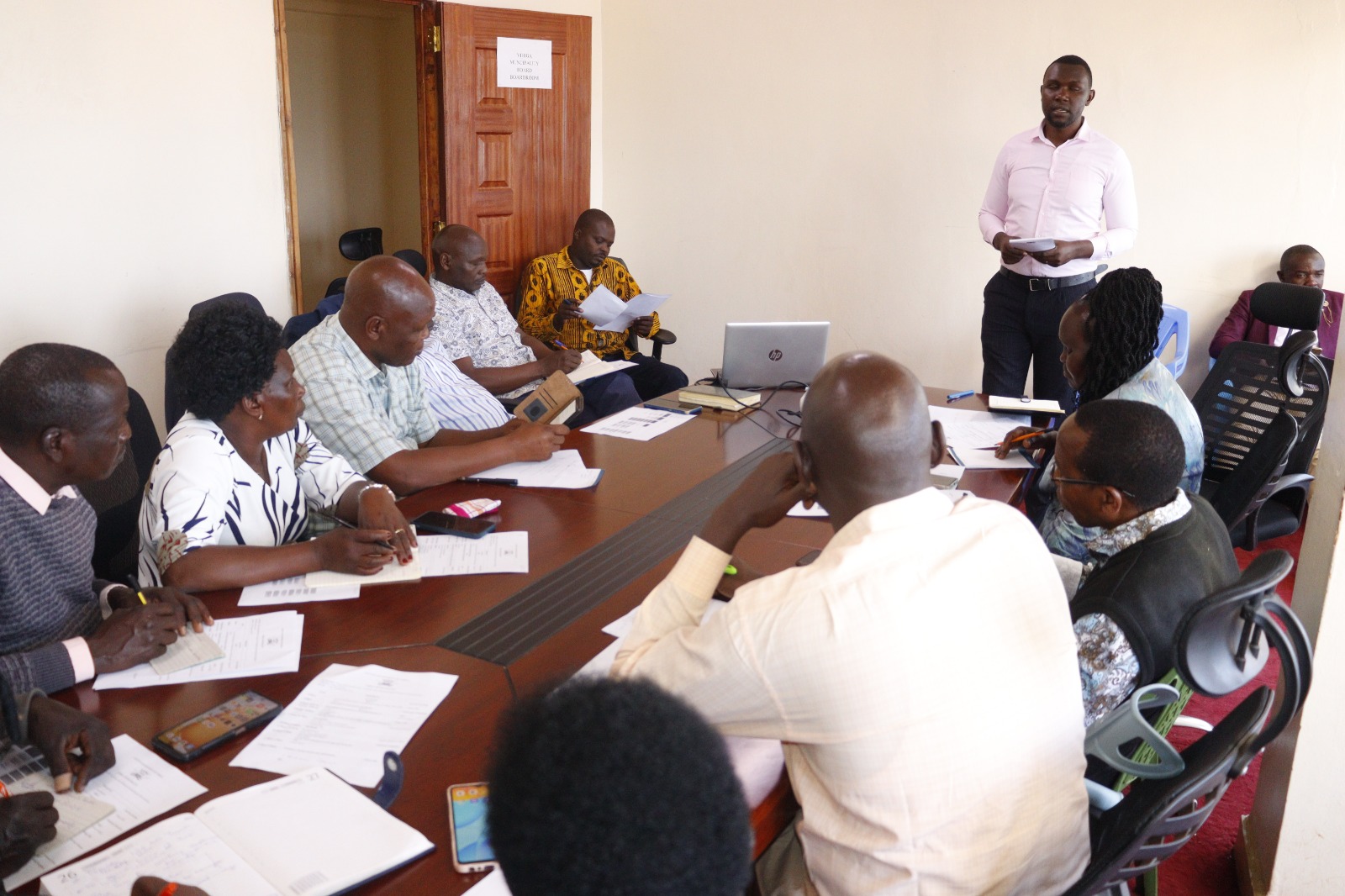
∙Interactive lectures and discussions
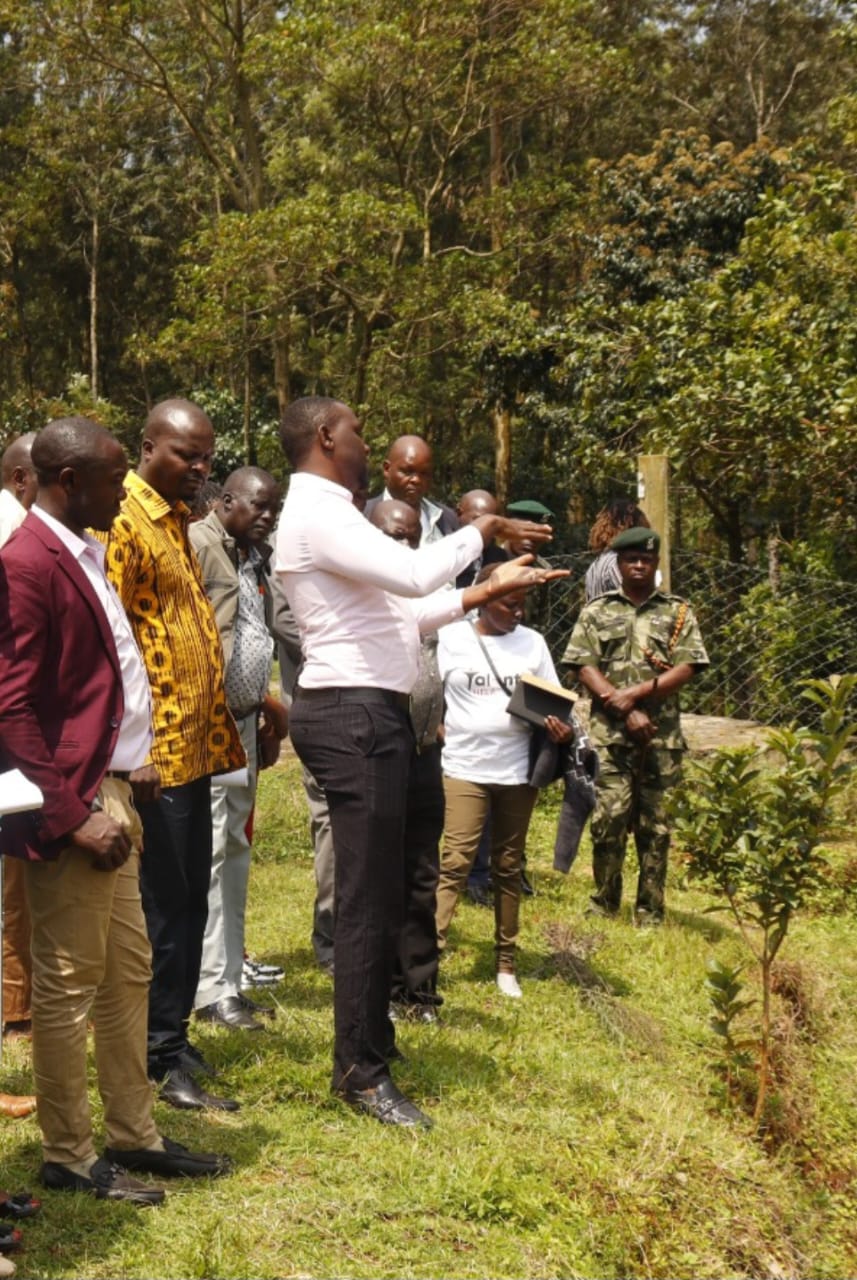
∙Field visit or virtual tour of the Vihiga constructed wetlands
∙Group assignments on designing small-scale urban NbS systems
∙Guest presentations by Vihiga Municipal environmental officers
∙Analysis of before-and-after scenarios in case study
Assessment Methods
∙Concept quizzes and reflective journals
∙Group project: Proposal for an NbS system in a different urban setting
∙Case study analysis report on Vihiga wetlands
∙Participation in class debates and presentations
Target Audience
∙Urban planners and municipal engineers
∙Environmental officers and policy makers
∙Water resource managers and public health officers
∙Postgraduate students and researchers in environmental studies
∙NGOs and community-based organizations working on urban resilience
Our other courses
- Municipal Solid Waste Management
- Land Reclamation and Mine Site Rehabilitation
- Urban Wastewater and Stormwater Management Using Nature-Based Solutions
- GIS Application for Sustainable Natural Resources Management
- Urban Climate Risk Assessment and Management Course
- Health, Safety, and Environment (HSE) Course
- Mine Waste Management