
Financing mine rehabilitation is often the greatest barrier to implementation. However, recent innovations are providing pathways to fund restoration at scale.
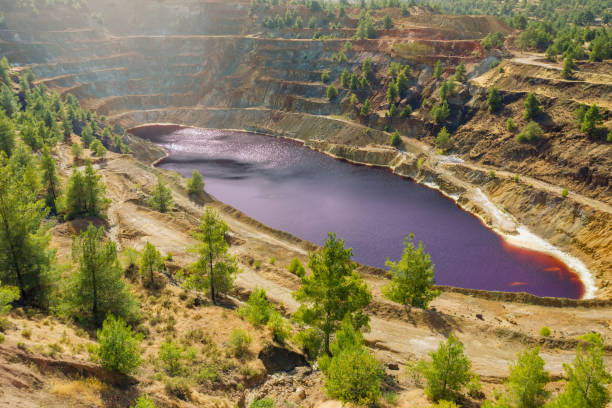
Traditional Options
Performance bonds: Funds held in trust until closure obligations are met.
Trust funds: Long-term accounts for closure activities.
Innovative Mechanisms
Green bonds & sustainability-linked debt: Tied to environmental outcomes — can be used for rehabilitation planning and execution.
Carbon finance: Payments for ecosystem services in restored lands (especially for afforestation and wetlands).
Public-Private Funds: Partnerships between government, mining firms, and development finance institutions.
Data & Trends
Studies indicate:
- Approximately 15–30% of documented rehabilitation costs can be offset by ecosystem service value capture over the long term.
- Climate finance windows, particularly under NDC implementation plans, increasingly include land restoration budgets.
Kenya’s Opportunity
As Kenya implements its National Climate Change Action Plan, mine rehabilitation can:
- Anchor landscape restoration targets
- Link to Kenya’s carbon market aspirations
- Provide entry points for blended finance solutions
The CESMECC webinar will unpack these opportunities with practitioners and funders.