
Mining has long been part of Kenya’s economic landscape, offering jobs, infrastructure investment, foreign exchange, and local enterprise opportunities. Yet across East Africa, the legacy of extractive industries is visible not only in economic indicators, but in landscapes marked by abandoned pits, contaminated watersheds, and disrupted ecosystems.
A Global Context
Globally, mining has powered industrial revolutions — but with consequences:
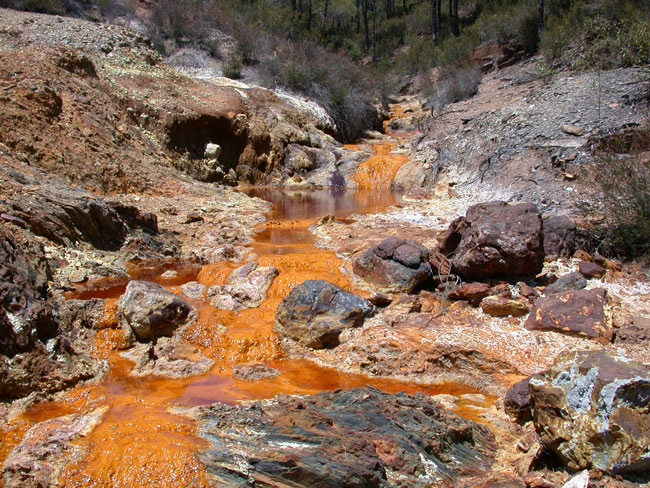
- In Pennsylvania (USA), acid mine drainage from coal extraction continues to acidify streams decades after closure.
- In Ghana, the Agbogbloshie site has become emblematic of heavy metal contamination in soil and water from unregulated small-scale mining.
- South Africa’s Mpumalanga region has vast abandoned coal mines with fluctuating pit lakes linked to water quality challenges.
Such degraded sites pose long-term environmental, social, and climate risks.
What Kenya is Facing
In Kenya, artisanal and small-scale mining (ASM) has increased significantly over the past 20 years, particularly in:
- Taita Taveta (titanium, gemstones)
- Western Kenya (gold)
- Kwale (heavy mineral sands)
Many of these sites were developed informally without closure planning. This pattern mirrors what researchers termed “boom-and-bust frontiers” where natural resource extraction accelerates without institutional frameworks, leaving irreversible impacts.
A 2018 environmental assessment found that:
- Over 30% of ASM sites in select Kenyan counties lacked any rehabilitation interventions.
- Open pits accounted for most safety liabilities, with elevated risk for children and livestock.
- Soil samples in some unrehabilitated zones showed heavy metal levels above natural background concentrations.
Kenya’s Environmental Management and Co-ordination Act (EMCA) requires Environmental Impact Assessments (EIAs) and Environmental Audit Compliance. However:
- Mine closure and rehabilitation plans are often treated as procedural checkboxes rather than integrated operational strategies.
- Enforcement remains inconsistent.
- There is limited clarity on financial assurance mechanisms (e.g., closure bonds).
Recent policy discussions at the National Environment Management Authority (NEMA) show a growing emphasis on rehabilitation frameworks that align with ecosystem restoration and climate resilience.
Why Mine Rehabilitation is Not Optional
Proper mine rehabilitation:
- Restores soil productivity and biodiversity
- Reduces water contamination risks
- Enhances community safety
- Supports climate mitigation through revegetation
- Strengthens social license for mining companies
On 25th February 2026, join the CESMECC webinar where global best practices, Kenyan case studies, and climate-smart frameworks will be unpacked by sector experts.